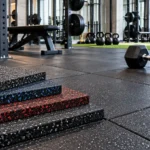
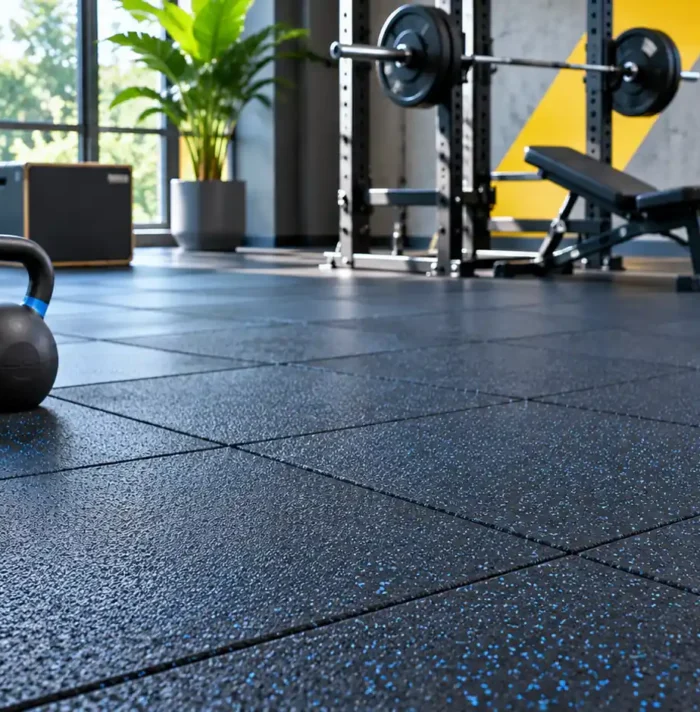
Your gym floor does more than finish the look of the space. It takes the hit from dropped weights and absorbs constant foot traffic. It also affects how comfortable and secure members feel mid-workout.
The right Gym Rubber Tiles Flooring can protect your subfloor and improve grip. It can also make the training area work better. You might run a commercial gym, a CrossFit studio or a home workout space. High-performance rubber tiles are a practical choice.
Why Is Rubber Tile Flooring a Smart Choice for Gyms?
Gym flooring has to handle equipment, movement and repeated impact. It shouldn’t turn into a maintenance headache. Rubber tiles bring durability, cushioning and traction together. That suits many kinds of fitness activity.
Absorbs Impact and Protects Your Floor
Weight training and functional workouts put heavy pressure on a gym floor. Rubber tiles absorb the impact of dropped weights and heavy equipment. Stress is not as direct on the surface below. The cushioning also helps to make standing and exercising more comfortable.
Improves Grip and Workout Safety
Move around a lot, and when a floor is wet, there is an increased risk of slipping. Friction is provided by textured rubber surfaces. Members keep better footing during exercises. That helps in weightlifting zones, cardio areas and functional training spaces.
Handles Heavy Daily Use
Business gyms are well used and equipment is moved. Good quality rubber tiles are designed to last and withstand normal wear and tear. For a busy fitness facility, that makes them a sensible long-term floor.
Helps Reduce Noise and Vibration
Dropped weights and rolling equipment make noise and vibration. Rubber flooring absorbs some of that impact. Training areas feel more comfortable for members. Nearby spaces get less disturbance.
How to Choose the Right Rubber Tiles for Your Gym
Every gym has different flooring needs. Base your choice on the activities, the weight of your equipment, the space you have and how hard the floor will be used.
Consider Tile Thickness
Thickness matters. Lighter workout areas may do fine with thinner tiles. Thicker tiles are recommended in heavy weightlifting areas because they have more impact absorbency. Match the thickness to the equipment and activities in each area.
Check Material and Installation
Check for tough rubber and an appropriate bond. Tiles can be glued down or interlock, depending on the product. Your subfloor should be clean, level and properly prepared before installation.
Prioritise Maintenance
Gym flooring should be easy to clean. Sweat, dust and foot traffic all affect hygiene. Check the manufacturer’s cleaning recommendations. Pick tiles that suit your maintenance routine.
Conclusion
The right gym flooring gives you a space that can handle tough workouts. It supports comfort, grip and everyday performance. Don’t pick tiles on looks or price alone. Think about your facility’s activities, impact levels and maintenance needs.
At Australian Sports Surface, we supply gym rubber tiles for both commercial and home fitness spaces. Our tiles use recycled rubber, PU resin and SBR granules. Thickness options run from 10 mm to 40 mm, and several tile sizes are available. You can choose glue-down or interlocking installation to suit your project.